





US Representatives Sean Casten and Ted Lieu have introduced legislation to establish a Department of Justice whistleblower bounty program offering payouts of up to 30% for original tips on insider trading and fraud across prediction market platforms.
Under the Policing Insider Trading in Prediction Markets Act of 2026, which the Democratic lawmakers announced on Friday, informants could receive between 10% and 30% of collected monetary penalties in qualifying federal enforcement actions. The incentive structure applies exclusively to cases where total sanctions exceed $1 million, drawing reward funds directly from the Justice Department’s Assets Forfeiture Fund.
The legislation assigns the US Attorney General discretion over exact payout sizes, evaluated against the value of the provided evidence and the extent of the whistleblower’s cooperation. The statutory framework also incorporates legal safeguards common in federal whistleblower systems, allowing informants to submit evidence anonymously through legal counsel while establishing explicit legal protections against workplace retaliation.
Targeting nonpublic information in event betting
The legislative push centers on allegations that individuals with access to nonpublic government intelligence could place lucrative bets on real-world events. Lawmakers have repeatedly expressed unease regarding trades settled on platforms such as Polymarket and Kalshi, specifically highlighting wagers tied to upcoming military maneuvers, sensitive diplomatic developments, and the timing or wording of presidential addresses.
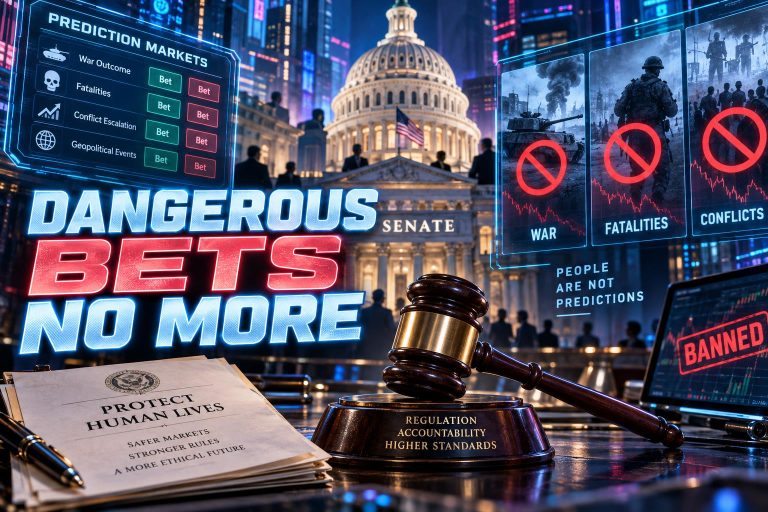
The bill arrives amid an accelerating legislative clampdown on the prediction market sector. On Thursday, the Senate approved the DEATH BETS Act, a measure designed to bar federally supervised platforms from listing event contracts related to armed conflict, assassinations, terrorist attacks, and casualties.
Congressional scrutiny into the space has steadily intensified throughout the year. Lawmakers introduced separate measures in March aimed at barring government officials from trading prediction contracts based on nonpublic material data. Two months later, in May, House members demanded internal transaction records from Kalshi and Polymarket to investigate suspected insider activity linked to military operations.